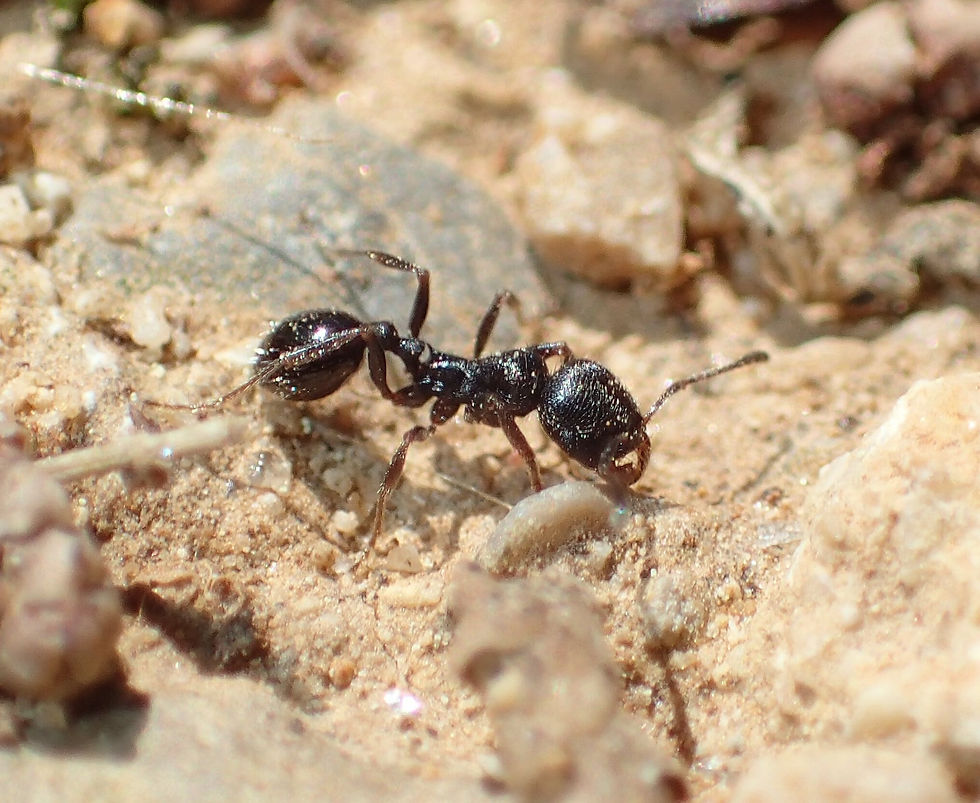
Odontotermes formosanus is a remarkable species of fungus-growing termite native to southeastern Asia. Belonging to the family Termitidae, this species was first described in Taiwan. Unlike many other termites, Odontotermes formosanus has a unique relationship with a symbiotic fungus, which it cultivates in specialized chambers within its nest. This mutualistic relationship allows the termites to thrive by breaking down plant material into a nutritious substrate for the fungus and, in turn, feeding on the fungus itself.
Odontotermes formosanus
The life of Odontotermes formosanus is intricately tied to its environment and its symbiotic fungus. These termites build extensive subterranean nests composed of various chambers interconnected by a labyrinth of galleries. The queen resides in one of the largest chambers, ensuring the colony's growth and continuity, while other chambers house the fungus combs essential to their survival.
Within these nests, a remarkable division of labor unfolds. Older worker termites venture outside the nest to forage for plant material, which they bring back and chew into a pulp. This chewed material serves as a substrate for cultivating the fungus. The younger workers, remaining inside the nest, meticulously process this material further, mixing it with asexual spores from the fungus and gut bacteria to create a fertile medium on which the fungus can grow. This material is deposited onto the fungus comb, where it decomposes and becomes edible for the termites.
The foraging behavior of Odontotermes formosanus is a finely tuned process. Workers and soldiers can travel as far as 35 meters from the nest, often foraging at night to avoid predators. The first explorers lay down a pheromone trail with their abdomen, providing chemical cues that guide other termites to the foraging site. This sophisticated communication system allows the colony to efficiently gather resources. Once a suitable food source is located, the termites construct protective mud tubes over their trails, ensuring safe and efficient transport back to the nest.
This species' habitat preferences and foraging behavior underscore its adaptability and efficiency. Odontotermes formosanus thrives in warm, moist environments, commonly found in forests, plantations, and agricultural fields across southeastern Asia. Its ability to build stable, subterranean nests and forage over considerable distances makes it a formidable pest in many areas, capable of causing significant damage to crops, forests, and even human structures like earthen dams and dykes.
Purchasing a colony of Odontotermes formosanus requires careful consideration due to their specific ecological needs and potential as pests. Ensure that you acquire the colony from a reputable source that can provide healthy individuals and guidance on maintaining their habitat. Given their complex social structure and dependency on symbiotic fungus, it is crucial to replicate their natural conditions accurately.
- Nest: Construct an environment that mimics their natural subterranean habitats. Include a variety of chambers and galleries to allow for proper housing of the queen, fungus combs, and other colony members. Maintain a stable, warm, and moist environment to support their growth.
- Diet: Provide a steady supply of plant material suitable for their fungal cultivation. This can include vegetable detritus, wood, and other organic matter. Ensure that the foraged material is processed correctly to facilitate fungus growth.
- Fungus Cultivation: Maintaining the symbiotic fungus is critical. Monitor the health of the fungus combs and ensure the termites have access to the necessary materials and conditions for optimal fungal growth.
- Humidity and Hydration: Keep the nest environment consistently moist, as this is essential for both the termites and the fungus. Regularly check and adjust humidity levels to prevent the nest from drying out.
- Temperature: Maintain a warm environment, ideally between 25°C to 30°C, to mimic their natural habitat. Consistent temperature control is vital for the health of both the termites and the fungus.
- General Care: Regularly monitor the colony's health and behavior. Avoid frequent disturbances, as stability is crucial for their complex social structure. Ensure the termites have access to clean water and adequate food supplies.
By adhering to these guidelines, you can support a thriving colony of Odontotermes formosanus, appreciating the intricate behaviors and mutualistic relationships that define this extraordinary species.
Please note that regulations regarding the importation and ownership of termites may vary between regions. Before purchasing a Odontotermes formosanus colony, ensure compliance with local laws and regulations governing the importation and keeping of termites. It's essential to prioritize ethical and responsible practices to prevent unintended ecological disruptions and ensure the well-being of both the termites and their surrounding environment.