Embark on a journey into the world of Tetramorium semilaeve, a species known for its preference for warm and dry environments. Despite their invasive nature, Tetramorium semilaeve offers enthusiasts a window into the fascinating dynamics of ant colonies. Whether you're an experienced ant keeper or a curious newcomer, exploring the realm of Tetramorium semilaeve promises intrigue and discovery.
Tetramorium semilaeve
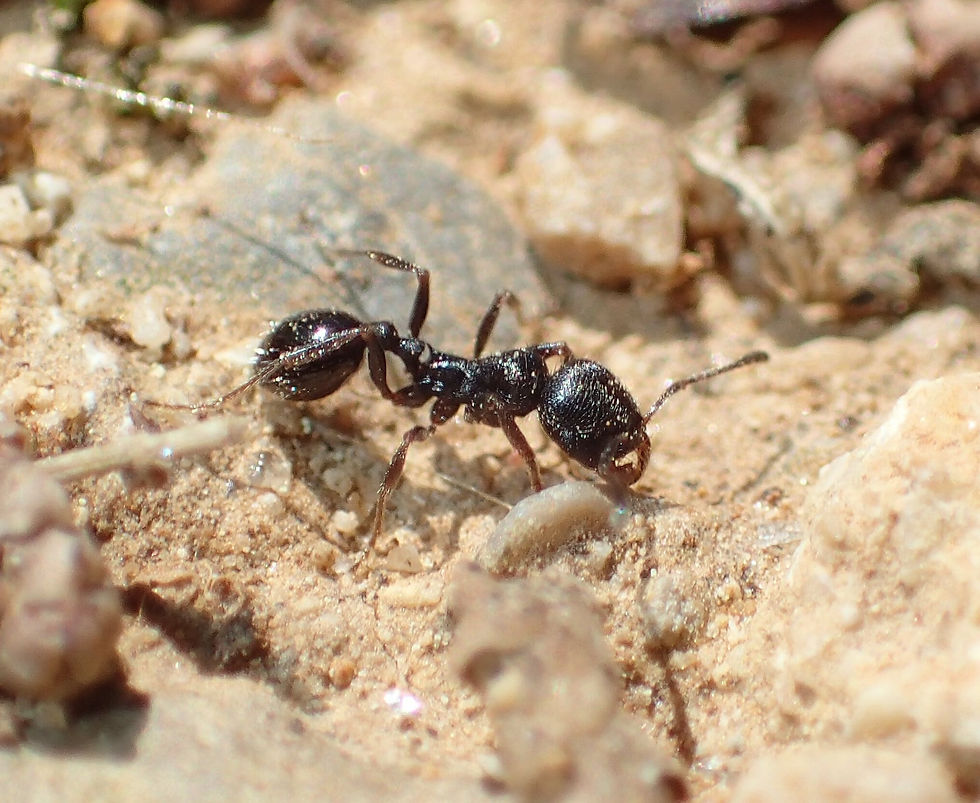
Tetramorium semilaeve thrives in warm and dry habitats, favoring areas such as sandy littoral zones and stony pastures. With observed nests located in coastal regions and up to altitudes of 720 meters above sea level in Andalucia, these ants exhibit adaptability to diverse environments. Nests are typically found under stones of various sizes, housing colonies ranging from several to several hundred workers. While specifics about their behaviors remain limited, Tetramorium semilaeve undoubtedly plays a significant role in its ecosystem.
For enthusiasts interested in keeping Tetramorium semilaeve, acquiring a colony offers an opportunity to observe and learn about this intriguing species. Due to their invasive nature and potential for escape, it's recommended to house Tetramorium semilaeve colonies in test tubes or acrylic nests. While sourcing colonies may present challenges, diligent research and caution are essential to ensure responsible ant keeping practices.
Successfully caring for Tetramorium semilaeve colonies requires caution and attention to their unique needs and behaviors. Here are some general tips for ant enthusiasts:
- Secure housing: Utilize test tubes or acrylic nests to provide a secure environment for Tetramorium semilaeve colonies, minimizing the risk of escapes. Regularly monitor the nest and make necessary adjustments to ensure colony safety.
- Invasive species management: Given Tetramorium semilaeve's invasive nature, exercise caution to prevent unintended introduction into new environments. Adhere to local regulations and guidelines for managing invasive species to minimize ecological impacts.
- Observation and research: Take the opportunity to observe Tetramorium semilaeve colonies closely and document their behaviors. Engage in ongoing research to better understand their ecology and care requirements, contributing to the broader scientific understanding of this species.
- Responsible care: Treat Tetramorium semilaeve colonies with care and respect, minimizing disturbances and providing for their needs to the best of your ability. While challenges may arise due to their invasive tendencies, responsible ant keeping practices can help mitigate potential risks.
Despite their invasive nature and limited information available, Tetramorium semilaeve presents an intriguing opportunity for ant enthusiasts to explore the complexities of ant ecology and behavior. For further information or assistance, consider reaching out to ant-keeping experts and researchers. Join online communities and forums to connect with fellow enthusiasts and share experiences in caring for Tetramorium semilaeve and other ant species.