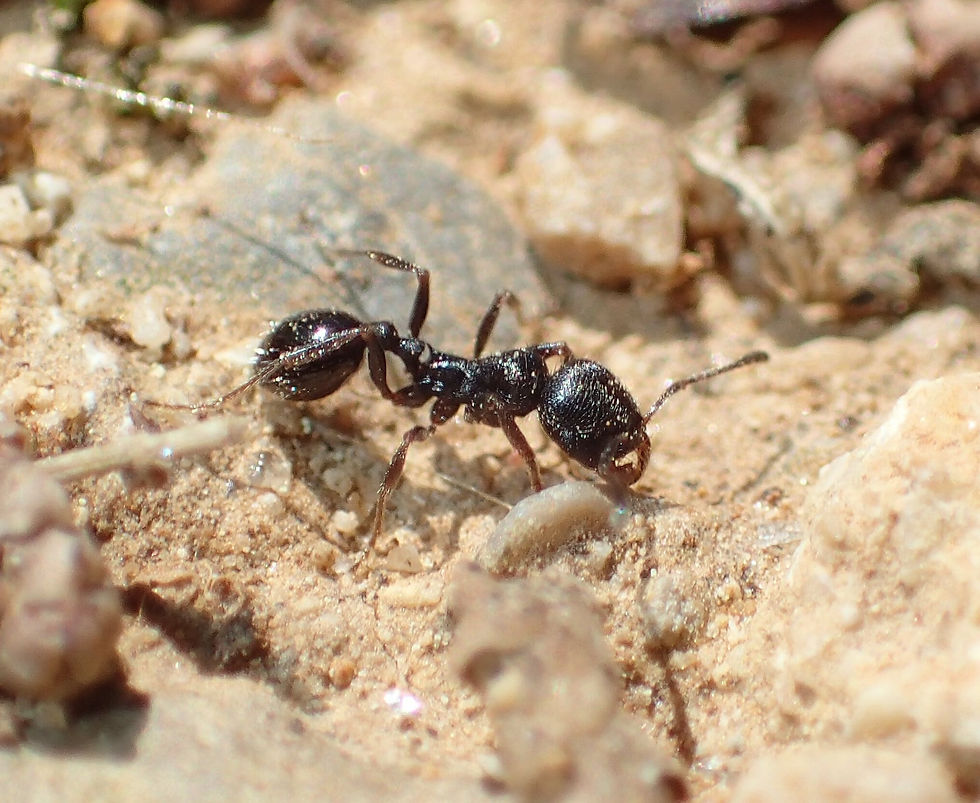
Meet Cardiocondyla obscurior, a captivating ant species known for its intriguing behaviors and unique characteristics. Originating from diverse regions including Taiwan, Japan, USA, Spain, India, and Brazil, this species exhibits remarkable adaptability and synanthropic tendencies, making it a fascinating subject for ant enthusiasts worldwide.
Cardiocondyla obscurior
Cardiocondyla obscurior is a species characterized by its nesting preferences and distinct behaviors. They are often found nesting in cavities of bushes and trees, typically situated 2 to 5 meters above ground level. These nests have been observed in various locations such as dead twigs of trees, galls of Acacia trees, and even in coconut cavities high in the trees. The species displays unique reproductive behaviors, producing two forms of males: wingless ergatoid males and males with wings. Interestingly, continuous fighting occurs within the nest between these two male forms. Colonies of Cardiocondyla obscurior generally do not exceed 500 workers and display a wide range of colony structures and reproductive behaviors.
When considering purchasing a Cardiocondyla obscurior colony, it's essential to source from reputable suppliers who prioritize ethical and sustainable practices. Look for sellers who provide detailed information about the colony's size, lineage, and origin. Due to the moderate difficulty level in keeping this species, it's recommended for experienced ant keepers who are familiar with the specific care requirements and behaviors of Cardiocondyla obscurior. Ensure that the colony is healthy and well-established before making a purchase, and inquire about the seller's policies regarding shipping and after-sales support.
Keeping Cardiocondyla obscurior requires careful attention to detail and an understanding of its unique behaviors. Here are some key tips for successfully maintaining a colony:
-
Provide a suitable habitat: Set up a wooden formicarium with nesting areas that mimic the ants' natural environment, including cavities and elevated spaces. Ensure the enclosure is well-ventilated and escape-proof to prevent unintended escapes.
-
Offer a varied diet: Cardiocondyla obscurior is an omnivorous species, so provide a diverse range of foods including honey water and feeder insects to meet their nutritional needs. Avoid feeding wild insects to prevent the introduction of contaminants.
-
Maintain optimal conditions: Keep the temperature within the range of 25-30°C to replicate their natural habitat. Regularly monitor and adjust humidity levels to ensure a comfortable environment for the ants.
-
Observe and document behavior: Regularly observe the colony's behavior and document any changes or abnormalities. This will help you identify potential issues and provide timely intervention if necessary.
-
Seek guidance from experienced keepers: Don't hesitate to seek advice and guidance from fellow ant enthusiasts or online communities familiar with Cardiocondyla obscurior. Learning from others' experiences can help you navigate the challenges of keeping this species and ensure a rewarding ant-keeping journey.
-