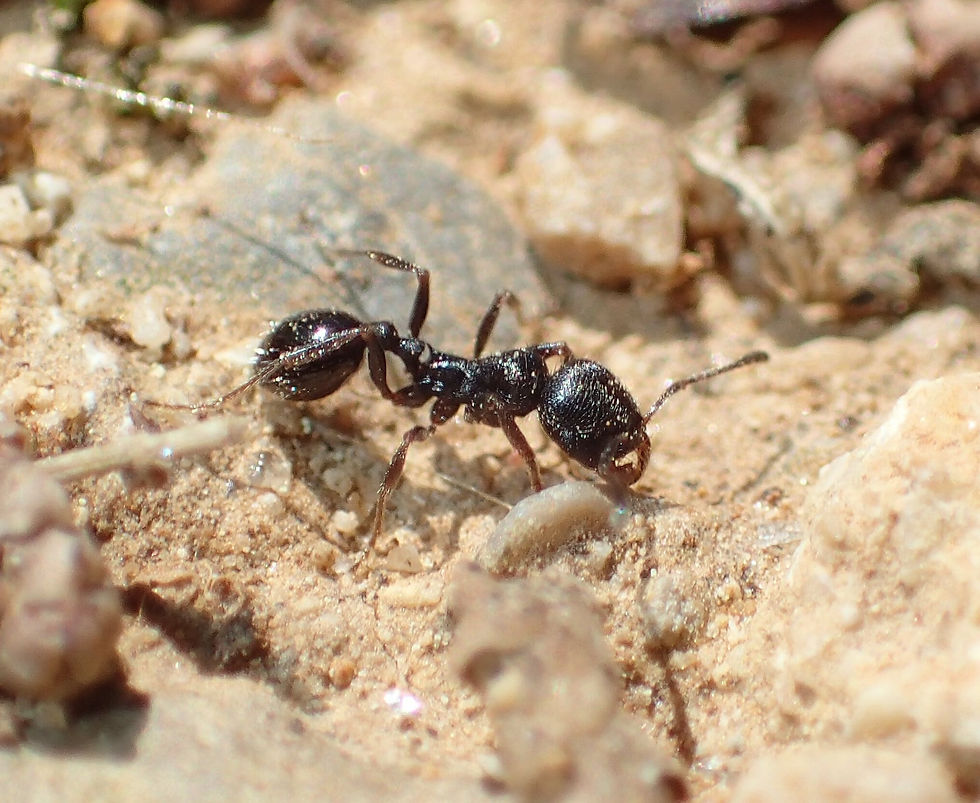
Crematogaster schmidti, commonly known as the Schmidt's Crematogaster, is one of the most common species of Crematogaster found in the Mediterranean and sub-Mediterranean regions, particularly in Montenegro and Greece. It is a dendrophilous species, meaning it nests inside dry trunks and branches of various shrubs and trees. This species has a notable presence throughout the Mediterranean basin and is known for its adaptability to dry environments.
Crematogaster schmidti
Habitat & Distribution
Crematogaster scutellaris can be found in various Mediterranean regions, including parts of Southern Europe and North Africa. They primarily inhabit trees, where they build their nests. In the wild, their aggressive behavior helps protect their colonies from intruders, and their fast growth rate allows them to thrive in their natural habitat.Behavior & Ecology
These ants are known for being highly territorial and aggressive, which makes them efficient at defending their nests. The workers will readily attack invaders, and they are known for their escape artist tendencies in captivity, requiring multiple forms of escape prevention. In addition to their combative behavior, they are adept at building nests in dry environments, making them adaptable to various ant-keeping setups.Colony Structure & Reproduction
Crematogaster scutellaris colonies can grow quite large, with mature colonies boasting between 10,000 and 20,000 workers. The queens range between 8-10 mm, while the workers are 3-5.5 mm in size. These ants have a relatively fast growth rate, meaning colonies can expand rapidly, providing an engaging experience for ant keepers. Queens are capable of laying eggs at a fast pace, supporting the colony's growth and development.Appearance
One of the most striking features of Crematogaster scutellaris is their red head and black body, which makes them easy to identify. These ants are visually appealing and active, making them a popular choice for ant keepers who enjoy observing their colonies.For those interested in acquiring Crematogaster schmidti, these ants are an excellent choice for both beginner and experienced ant keepers. Known for their rapid growth and distinctive appearance, they thrive in dry environments and are ideal for terrarium-style setups. Their monogynous nature and impressive defensive behaviors make them an interesting and engaging species to observe.
We offer Crematogaster schmidti colonies that are well-established and ready to thrive in your care. Whether you’re setting up a new ant farm or adding to an existing collection, these ants will flourish in a low-humidity environment with minimal maintenance. They are highly adaptable and perform well in both wooden nests and terrarium decorations, making them an excellent choice for various setups.
These ants are easy to maintain and perfect for those looking for a species that doesn’t require constant moisture or humidity control. The colonies are quick to grow, with a mature colony consisting of thousands of workers, and their ability to tolerate dry conditions means less frequent need for upkeep. We provide healthy, well-formed colonies that can be added to your collection immediately, with guidance on their care and feeding.
Crematogaster schmidti colonies come with all the information you need to ensure success, from setup advice to diet recommendations. Order now to receive your own active, thriving colony of these fascinating Mediterranean ants!
Environmental Conditions
Crematogaster schmidti thrives in moderate to warm temperatures, between 21-28°C. They are highly tolerant of dry conditions, making them suitable for setups where humidity is not a major concern. The ideal humidity range for these ants is between 50-60%, and they do not need excessive moisture to survive. As their natural habitat includes dry, sunlit areas, they will do best in environments that mimic these conditions.Hibernation (Diapause)
This species requires a diapause period during the colder months, typically from November to March. The recommended temperature for hibernation is between 5-8°C, during which the colony will enter a period of rest and reduced activity. This dormancy period is crucial for the health and longevity of the colony, and it helps regulate their reproductive cycle.Formicarium Setup
Crematogaster schmidti can be kept in various types of nests, but they particularly thrive in environments that are dry and have minimal humidity. They are well suited to terrarium-style setups, and they do well in wooden nests or hollowed-out branches that replicate their natural nesting sites. Providing a small water source in the outworld, such as a test tube with water, is important to maintain the appropriate humidity levels for their care.Feeding & Care
Crematogaster schmidti will accept a variety of food sources. They typically feed on honey, insects, and occasionally oily seeds like walnuts or hazelnuts, which provide essential fats and proteins. Ensuring a diverse diet will promote healthy growth and reproduction within the colony. When feeding insects, ensure that the food is sterilized to avoid introducing pests like mites into the colony.Handling & Safety
Although Crematogaster schmidti is not overly aggressive toward humans, they will defend their nests if disturbed. Their formic acid spray is not harmful to humans but can be a deterrent to attackers. Be cautious when handling or disturbing the colony, as they will raise their pointed abdomens and spray formic acid into the air if they feel threatened.Crematogaster schmidti is a fascinating species of ant that is well-suited to ant keepers who prefer dry, minimal-maintenance setups. Their rapid growth, distinctive appearance, and aggressive yet effective defense mechanisms make them a unique and rewarding species to care for. Their ability to thrive in low-humidity conditions and their adaptable nature make them a great choice for ant keepers with the right environment. Whether you are looking for a species for a terrarium setup or a more standard ant-keeping enclosure, Crematogaster schmidti offers both beauty and practicality.