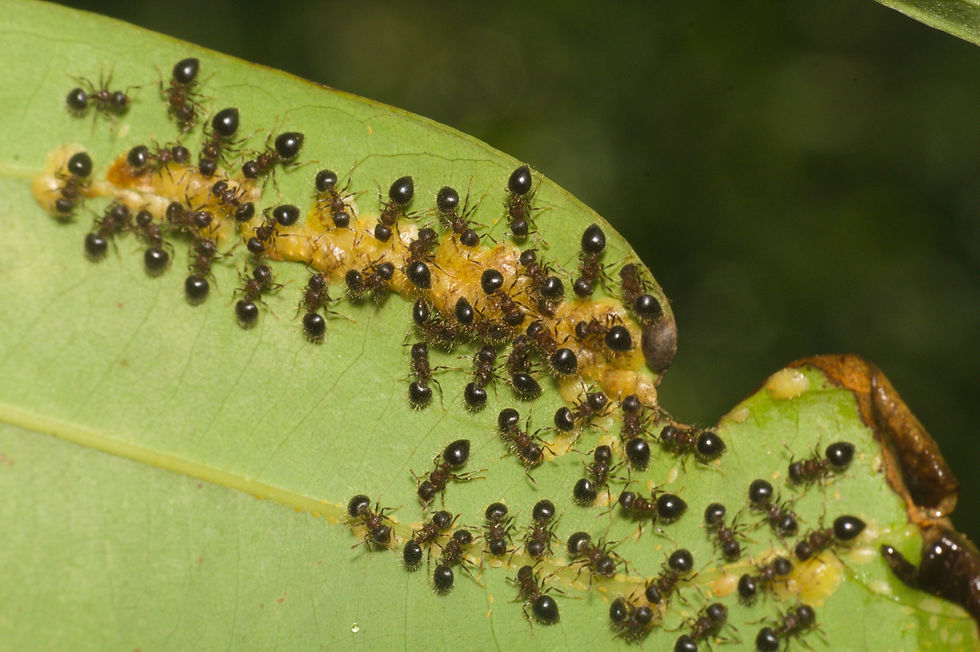
Carebara diversa, also known as the East Indian harvesting ant, is a species of marauder ant widely distributed throughout Asia. Known for their impressive polymorphism, these ants can form massive colonies and are renowned for their aggressive foraging behavior.
Carebara diversa
Carebara diversa ants exhibit extreme polymorphism, with minor workers ranging from 1.3 to 2.5 mm and major workers significantly larger. The size variation within the species facilitates efficient task allocation and division of labor. They are known for forming large colonies often found in soil or under rocks and regularly create long foraging columns.
When purchasing a Carebara diversa colony, be prepared for their rapid growth and aggressive nature. Ensure you have a suitable environment that can support a large, fast-growing colony and provide frequent protein-laden foods to sustain their development.
Food: Carebara diversa ants require a diet rich in protein to support their rapid growth. They are not picky eaters and will consume sugars from fruit, sugar water, or ant jellies. For protein, they thrive on freshly killed insects such as fruit flies, mealworms, crickets, and other smaller insects. Including seeds high in lipid content, such as chia seeds, walnuts, peanuts, and amaranthus seeds, is beneficial.
Humidity: These ants need a humid environment to thrive. Hydrate the nest regularly to maintain the appropriate humidity levels. A natural, bioactive setup that replicates the forest floor of their native habitat is ideal for promoting the right temperature and humidity parameters.
Temperature: Carebara diversa does well in a warm environment. Heat part of the setup to create a temperature gradient, ensuring the ants have a suitable range to thrive in.
Hibernation: Carebara diversa does not require hibernation.
Sting/Bite: While these ants are known for their predatory behavior, their sting or bite is not particularly harmful to humans. However, their large major workers can be intimidating.
Colony Management: Due to their susceptibility to mites, ensure good ventilation and clean the setup frequently to remove uneaten food. Carebara diversa can adapt well to plaster or concrete-based formicariums, but a natural setup is recommended for optimal conditions.
Additional Tips: Ensure your formicarium can accommodate their rapid growth and frequent feeding needs. Being a polygynous species, they can produce a large number of eggs, leading to a significant increase in colony size.
By following these guidelines, you can successfully care for and manage a thriving colony of Carebara diversa ants, keeping in mind their aggressive nature and rapid growth.
If you choose to order a single Carebara diversa queen, please note that she will not come with brood (eggs, larvae, or workers). Since there is no visible brood, we cannot guarantee that the queen has been fertilized.
By purchasing this queen, you automatically accept that there are no guarantees regarding fertilization or colony establishment. These queens require experience to care for, and you buy at your own risk.
Carebara species are known for their specific care requirements and should only be kept by experienced ant keepers. Make sure you are well-prepared before ordering.
Esthetic Ants does not offer any guarantee for colonies that arrive with mites.Mites can be common with certain ant species and are not always visible before shipping. The presence of mites does not automatically mean that the colony is unhealthy or will die. Because of this, colonies with mites are not covered under the Live Arrival Guarantee unless the colony itself arrives deceased or in extremely poor condition.