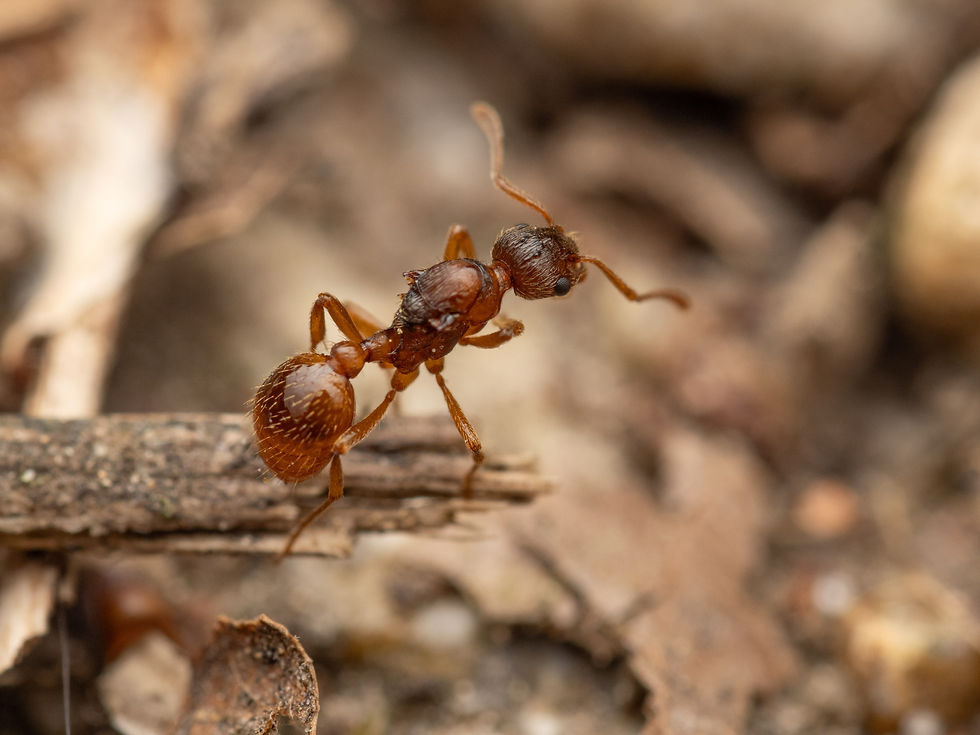
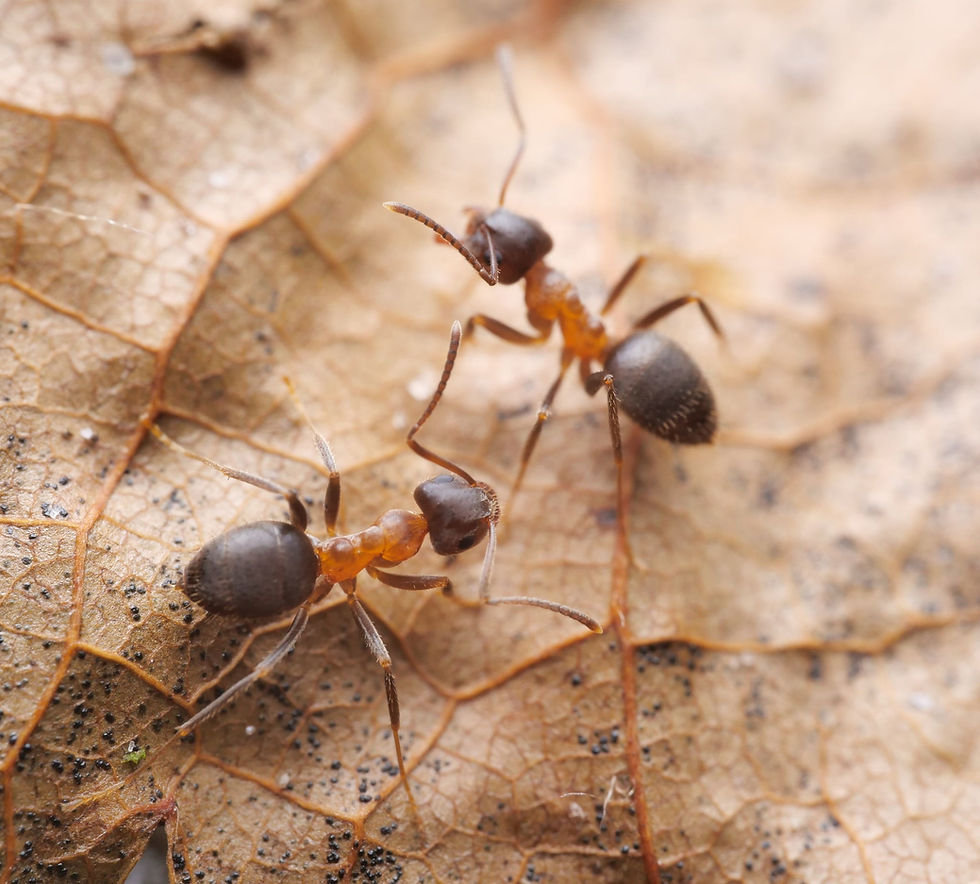
The Messor capitatus is a rare and impressive seed-harvesting ant species native to Western Europe and Northwest Africa. Slightly larger than the well-known Messor barbarus, this species is highly sought after for its calm demeanor, fascinating behaviors, and striking appearance. With glossy black coloration and massive major workers, Messor capitatus makes an excellent addition to any ant collection, whether you’re a beginner or an experienced ant keeper.
Messor capitatus
Messor capitatus lives in monogynous colonies, meaning they have a single queen. Colonies typically grow to around 5,000 workers and display fascinating caste dynamics:
- Minors (3–5 mm): Handle foraging, brood care, and everyday tasks.
- Medias (6–10 mm): Perform tasks requiring more strength and dexterity.
- Majors (12–16 mm): Large ants with powerful mandibles used for cracking seeds and defending the colony.
In their natural habitat, these ants thrive in warm, semi-arid environments where they harvest and store seeds. They process the seeds into a nutrient-rich paste, ensuring food reserves that can sustain the colony for months.
Optimal environmental conditions include:
- Humidity:
- Nest: 40–60%.
- Foraging Area: 30–50%.
- Temperature:
- Nest: 22–26°C.
- Foraging Area: 24–28°C.
During winter, Messor capitatus requires a hibernation period of around 45 days at temperatures between 10–18°C to ensure healthy development and colony growth in spring.
When purchasing a Messor capitatus colony, consider reputable breeders who adhere to ethical standards:
- Colonies should originate from a single queen collected during swarming, ensuring natural and sustainable growth.
- Look for colonies with a healthy queen and visible brood. Avoid colonies boosted with external brood or workers.
- Many suppliers offer guarantees on live arrival, especially if insulated packaging is used for shipping in extreme temperatures (-12°C to +40°C).
What to Expect in a Starter Colony:
- A single queen with a small group of workers (minors).
- Colonies will grow steadily, reaching several hundred workers within the first year under optimal conditions.
Nesting Requirements
- Use nests made from acrylic, cork, plaster, or aerated concrete with high chambers to accommodate large workers.
- Provide a water source, such as a drinker or damp cotton, in the foraging area.
- Keep nests in a shaded location, avoiding direct sunlight or excessive light exposure.
Diet and Nutrition
- Staples: Seeds, which are their primary food source.
- Supplements: Feeder insects (e.g., crickets, cockroaches) and occasional fruits or sugar water for added nutrition.
- Regularly observe their seed-processing behaviors, a hallmark of their unique lifestyle.
Hibernation
- Hibernation is crucial for long-term health. Maintain the colony at 10–18°C for ~45 days during winter.
- For those seeking a similar species without wintering requirements, Messor minor is a great alternative.
General Tips
- Ensure proper ventilation to prevent mold growth.
- Clean the foraging area regularly to remove waste and food scraps.
- Avoid sudden changes in temperature or humidity to minimize stress on the colony.
Behavior and Observation
- Watch the workers sort and process seeds into a nutritious paste over several days.
- Observe the fascinating interactions between castes, from the diligent minors to the powerful majors with their reddish heads.
Messor capitatus is a stunning and rewarding species to keep. Their calm temperament, moderate care requirements, and intriguing behaviors make them a favorite among ant enthusiasts. With the right setup and care, these ants will thrive and offer an unforgettable ant-keeping experience.