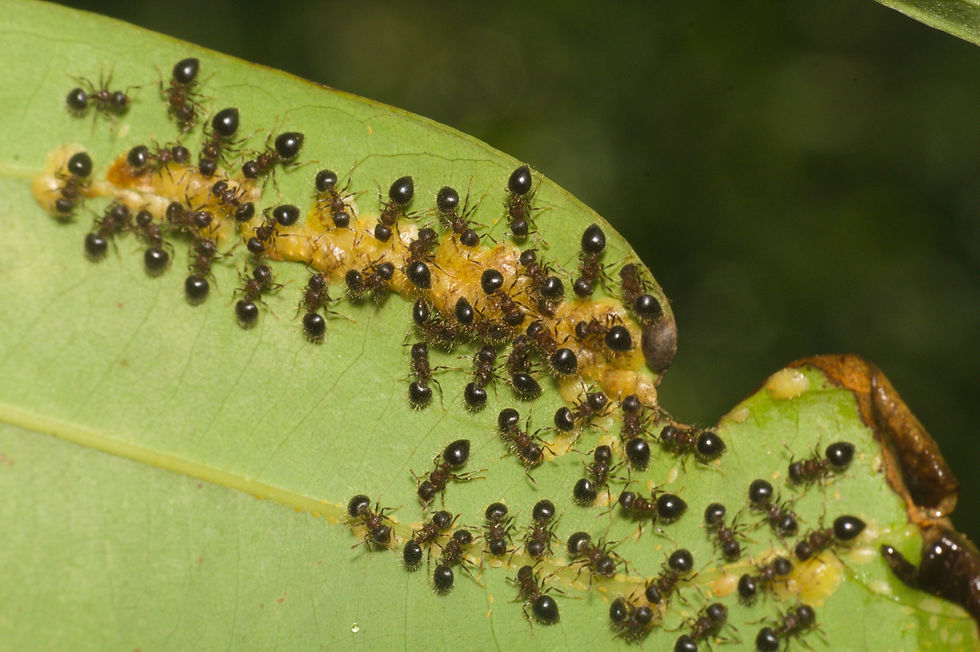
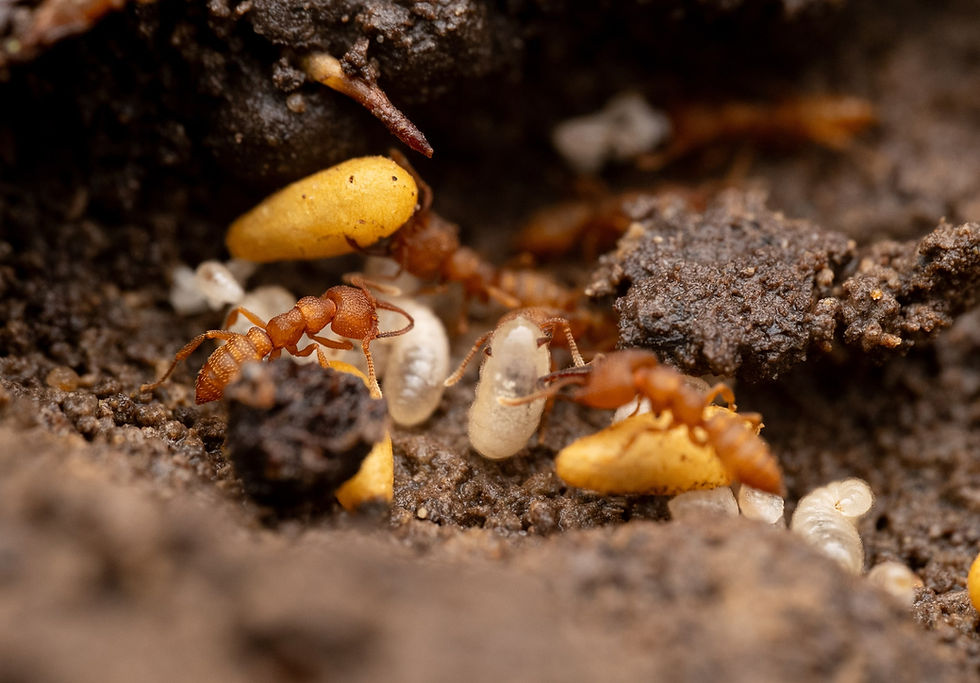
Camponotus habereri is a beautiful species from Taiwan that looks very similar to Camponotus nicobarensis. These ants are quite rare and not yet kept by a lot of ant keepers!
Camponotus habereri
Camponotus habereri ants are truly adventurers that you can encounter in Taiwan, under rotten wood, rocks or in the ground. The peculiarity of the Camponotus habereri is that there can be only one egg-laying queen in the colony. The other ants are workers and there can be thousands. They work together to maintain the nest and find food. The workers are not large, about 6 to 9 millimeters long, while the queen is larger, about 10 to 13 millimeters.
But don't underestimate them; they are brave!Have you decided to buy a Camponotus habereri? Know that these ants don't diapause meaning you can enjoy them all year round! Furthermore, it is a species that has hardly any requirements for conditions and habitat. In fact, they are not picky eaters: they especially like sugars from fruits, sugar water or ant jelly, as well as fruit flies, mealworms and crickets. Furthermore, you don't have to hydrate the nest too much, once a month is enough. In any case, make sure they always have an external water source when they are in their nest. For housing we highly recommend our mesh nests as we have seen so many people successful with them.
Ant lovers often find pleasure in keeping Camponotus habereri as pets. These tiny insects are fascinating to observe and can be an interesting addition to your household. Here are some tips for successfully keeping Camponotus habereri:
- Provide the right environment: make sure the ant colony's environment is kept at the right temperature. In general, this ant species thrives best at a room temperature around 25-28 degrees Celsius.
- Proper nutrition: choose sugar water for small colonies (<200 workers) and small insects such as fruit flies, red runners and small crickets. For larger colonies you can also use other insects, such as flies and mealworms and sugar jelly. Make sure the food is clean and replace it regularly to prevent mold growth.
- Hydrate well: water and more water! Water should always be present. Place a small water container or liquid feeder in the nest, preferably with a cotton ball or sponge to avoid the danger of drowning.
- Observe, but do not disturb: Camponotus habereri ants thrive best when left alone. Observe them with patience and respect their natural behavior. Excessive disturbance can in fact cause stress and disrupt the colony.
They are not easily stressed, making them ideal for people who want to start keeping their own ant colony. Want to know more about Camponotus habereri, or any other ant species? Then feel free to contact us. Also, join us on our platforms such as Instagram, Facebook and TikTok.
Our encounters with Camponotus habereri have been consistently favorable. We firmly believe that Camponotus habereri is an undervalued species in the world of ant enthusiasts. These ants are not only effortlessly manageable but also display remarkable activity levels and rapid growth. One notable feature of Camponotus habereri is their adaptability to virtually any habitat setup, making them incredibly versatile for enthusiasts.
Furthermore, their fondness for sugary sustenance is a delightful aspect of their dietary preferences. In our extensive experience, we've observed that they require minimal protein intake, simplifying their nutritional care.