


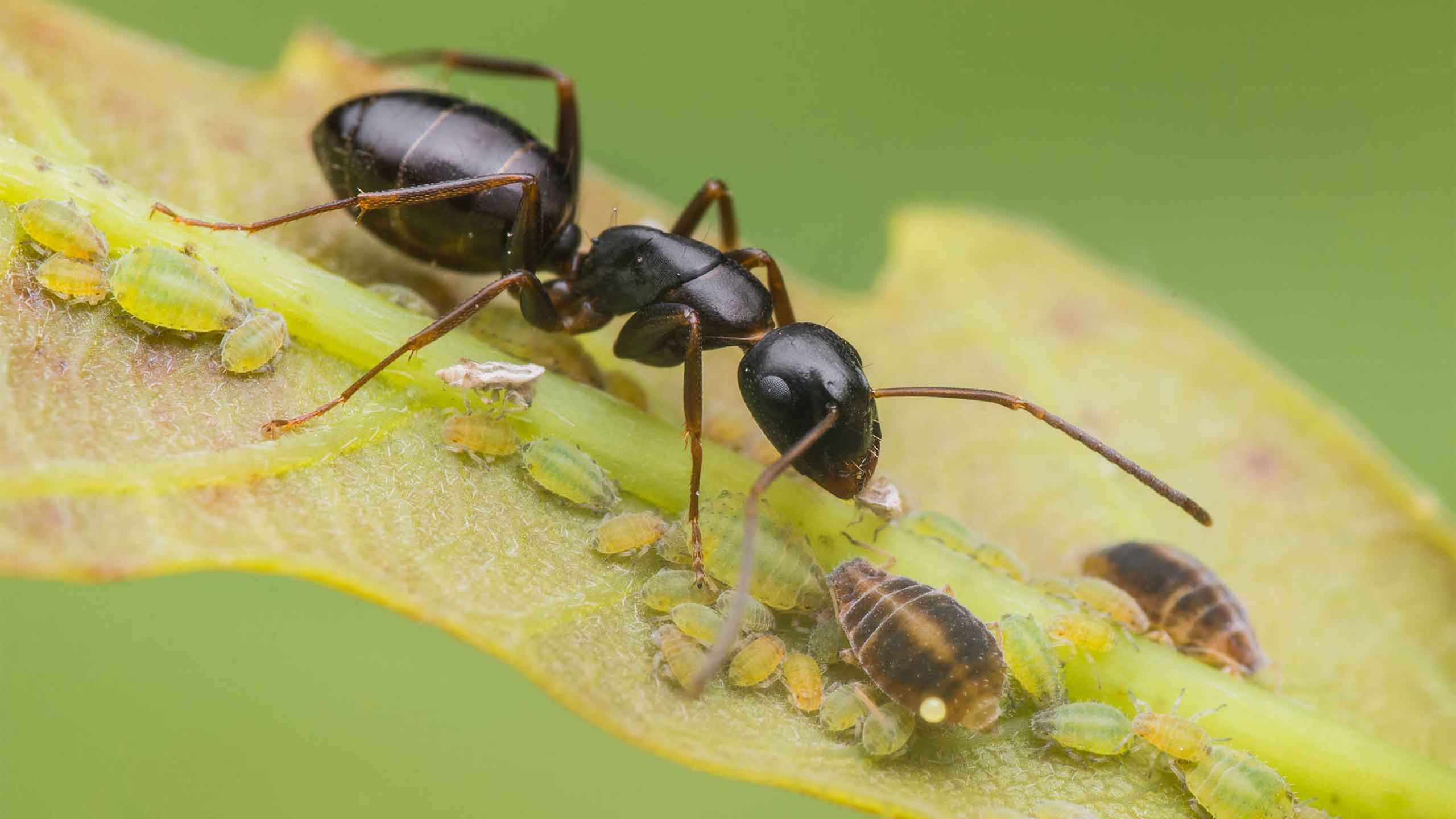

Camponotus fallax
This species is widely distributed in Europe, and can be found as far north as southern Sweden, while also present in north-west Africa, the Caucasus, north-west Kazakhstan, and in the southern part of western Siberia (Czechowski et al. 2002). It lives mainly in light, warm forests, or even orchards and city parks. Nests are built in dead trees, or dead twigs of living trees, but also in wooden parts of buildings (Marko et al., 2009). In Russia it was found in oak forests nesting in dead, dry branches and sometimes in wooden buildings (Zryanin & Zryanina, 2007).
General
Caring for Camponotus fallax is pretty easy. If this colony is left in peace you should have no problem in raising this colony.Food
Camponotus fallax are not picky eaters. They love sugars that come from fruit, sugar water or ant jelly. For protein the best food for them is fruit flies, mealworms, crickets and other smaller insects.If you feed insects from the wild freeze or boil these insects to sterilize them. Skipping this step can introduce mites to your colony.
Humidity
Camponotus fallax does not need a damp nest. If you hydrate the nest regularly (once or twice a week) you should have no problem in keeping the humidity right for these ants. Always make sure the ants have an external water source.Temperature
Camponotus fallax likes warmth and does well in a heated setup. Heat part of the setup to provide the ants with a nice gradient.Hibernation
Camponotus fallax does hibernate from the end of October until early March.
Sting/bite
These ants don't sting.Every nest listed on the website is suitable for Camponotus fallax.


