


Jack Jumper Ant Allergy: How Common It Is and How It Is Treated
Updated: 1 day ago
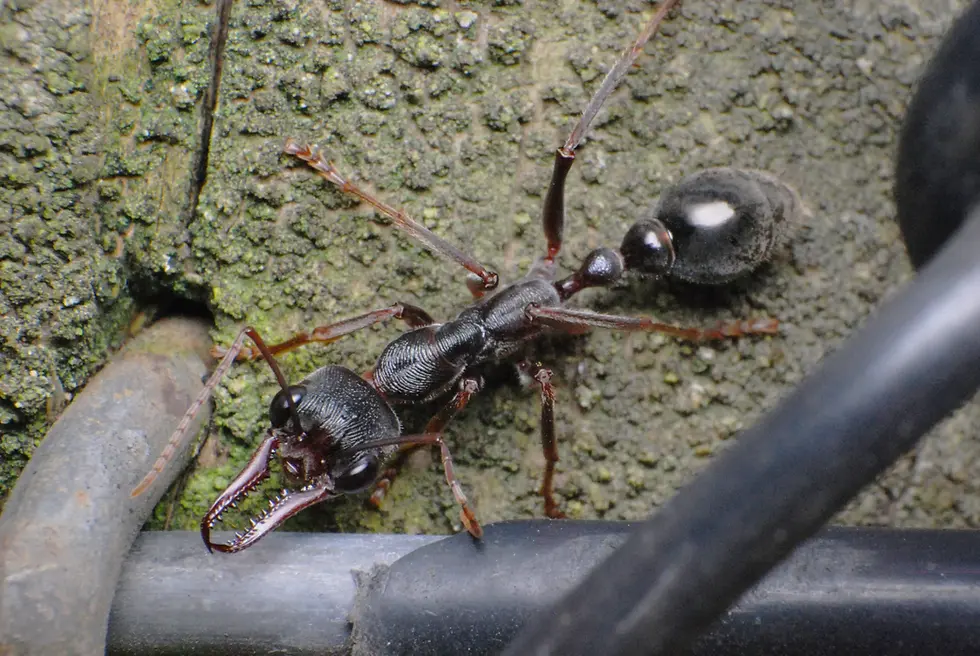
The jack jumper ant, Myrmecia pilosula, is small, but it is responsible for most ant venom allergies in Australia. In some areas, a few percent of the population is allergic to it. Here is what jack jumper allergy is, how common it is and how doctors in Australia help people who are allergic.

How common is it?
Jack jumpers cause around 90 percent of ant venom allergies in Australia. In areas where the ant is common, up to about 3 percent of people are allergic, and around half of them can have a severe reaction called anaphylaxis. Tasmania is especially affected, because jack jumpers are common there. In a questionnaire among residents of a semi-rural area in Victoria, almost 3 percent reported an allergic reaction.
Why is the venom so allergenic?
The venom of the jack jumper contains small peptides called pilosulins. One of them, pilosulin 3, is the main allergen. Compared with other insect venoms, jack jumper venom is very good at triggering the immune system, which is one reason why allergies are so common.
A second sting is the risk
People who have had a serious reaction before have a high chance of reacting again: around 70 percent react again when they are stung once more. Serious reactions can develop quickly, which is why people with a known allergy usually get a personal emergency plan from their doctor.
Deaths
Between 1980 and 2000, four people died in Tasmania after a jack jumper sting. They were all at least 40 years old and had heart or lung problems. A possible death in Western Australia in 2011 has also been linked to a bull ant sting, but no death has been officially recorded since 2003.
Desensitisation
In 2003, the Royal Hobart Hospital in Tasmania started a programme to desensitise people with a jack jumper allergy. Patients receive small, slowly increasing doses of purified venom, so their immune system gets used to it. Research showed that this venom immunotherapy is safe and works well, while an older treatment with whole-body extracts did not work. The Royal Adelaide Hospital also runs a smaller programme. This is not a treatment you can do yourself: it always takes place under medical supervision.
What should you do?
This is general information, not medical advice. Anyone who has a strong reaction after a sting, such as trouble breathing, swelling of the face or throat, or dizziness, needs medical help right away. In Australia, call 000. If you have ever reacted badly to an ant sting, talk to your doctor about tests and a personal plan.
More about jack jumpers
Read more about the ant itself in Myrmecia pilosula, the jack jumper, or about the bull ant sting in general. Wondering how dangerous ant stings are in general? Read can an ant sting kill you. And to tell a jack jumper apart from other bull ants, read bull ant or jack jumper.
Sources
ASCIA, 2024. Jack Jumper Ant Allergy: Frequently Asked Questions. Australasian Society of Clinical Immunology and Allergy.
Wikipedia. Myrmecia pilosula.
Wikipedia. Myrmecia (ant).
Photo: © Lek Khauv


Comments